On a soft April morning, I watched a young basil plant lose the fight.
The kitchen was warm, the window bright, the pot new. Everything looked “right”. Yet day after day, those tiny leaves sagged a little more, turning from bright lime to a tired, washed-out green.
The thermometer said 22°C, the app said “ideal light”, my care routine said perfect.
The plant quietly disagreed.
There was no dramatic disease, no obvious pest, no frost. Just a slow, stubborn decline that felt almost personal.
Something invisible was wrong.
Something we don’t talk about enough.
The silent stress your seedlings are hiding
Most people think young plants are simple: give them warmth and light and they’ll explode with life.
Watch a tray of seedlings for a week and you learn how untrue that is.
One day they’re stretching happily toward the window, the next they look droopy and sulky, stems thin as thread.
The room hasn’t changed, the sun still shows up, your thermometer sits at the same “perfect” number.
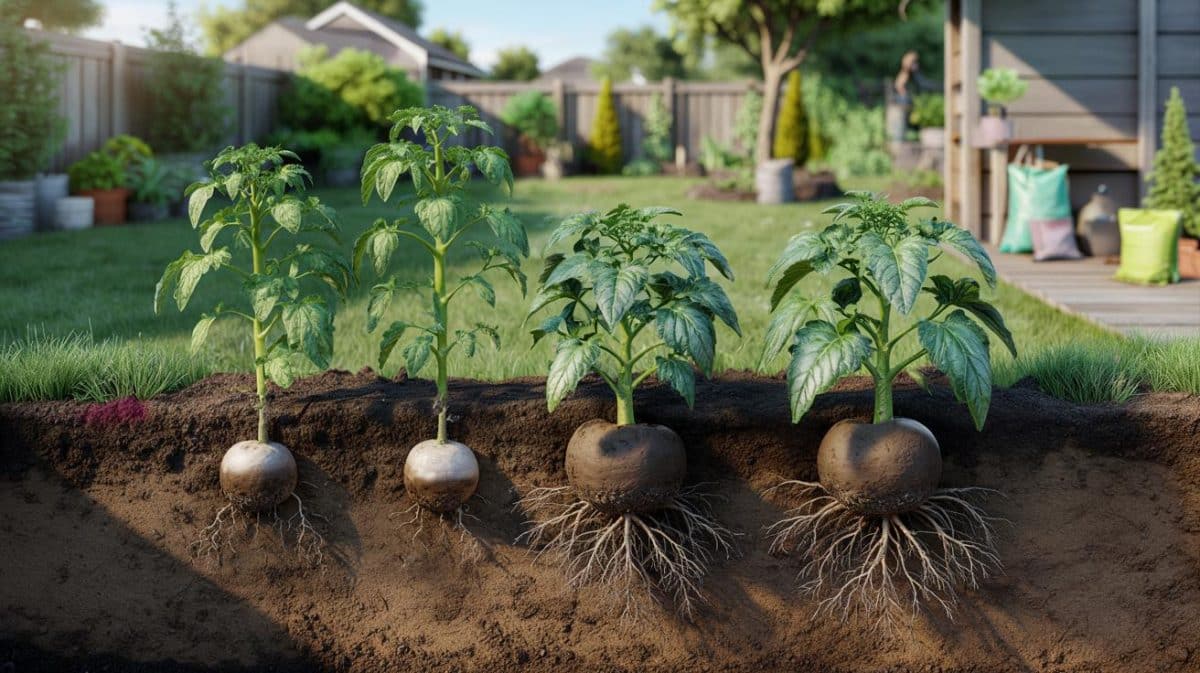
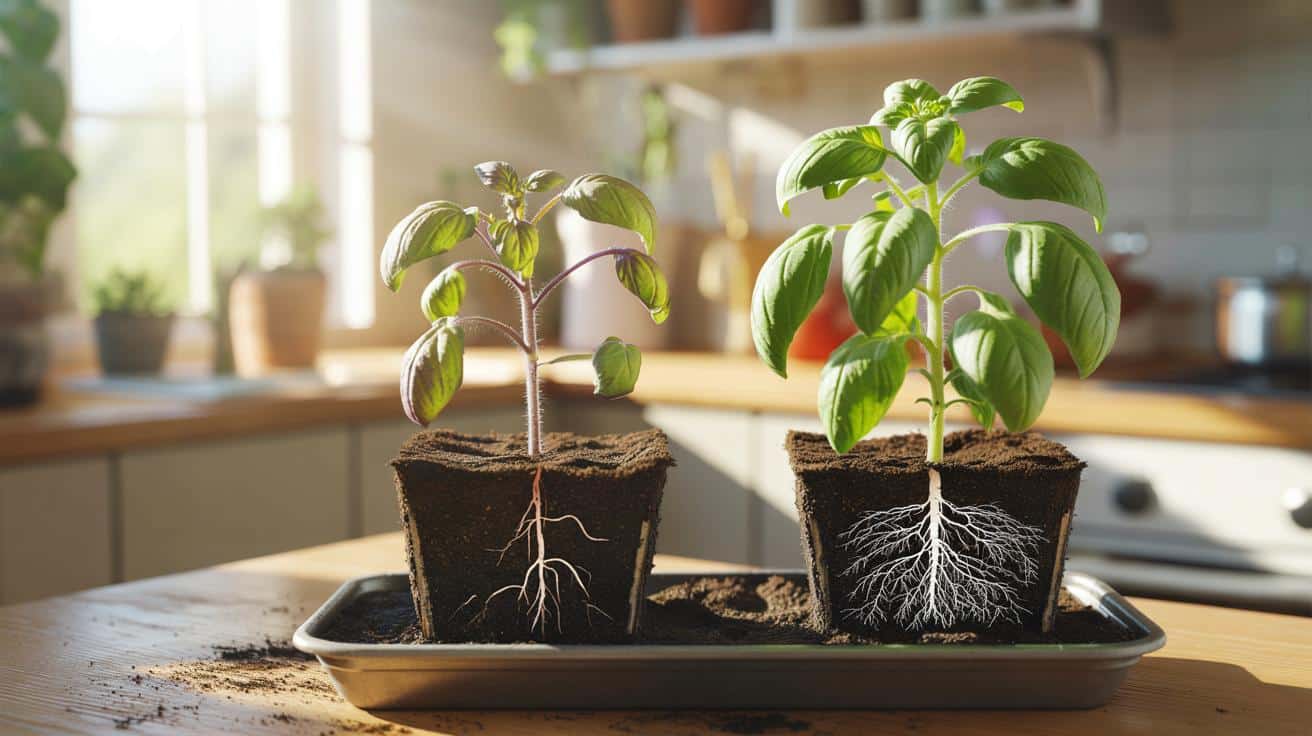
The problem often lives underground.
Hidden in the pot, beyond sight, where roots are quietly suffocating or starving.
Take Lisa, a new balcony gardener in Berlin.
She proudly started tomatoes under grow lights, followed all the YouTube advice, and tracked temperatures like a lab tech.
On paper, everything checked out.
The light hours were good, the room stayed between 20–24°C, the seeds were from a reputable brand.
Yet two weeks after germination, her seedlings just… stalled.
Leaves stayed small, stems turned a little purple at the base, growth slowed as if someone hit pause.
She tried watering more, then less, moved the tray closer to the light, then further away.
Nothing changed.
➡️ The one cleaning task that makes all the others easier if you do it first
➡️ This financial habit helped me feel in control even during uncertain months
➡️ This warm, filling recipe is perfect when the weather turns cold
➡️ “I always come back to this recipe when nothing else sounds right”
➡️ People who feel uneasy being taken care of often value independence deeply
➡️ This is why doing “one more thing” often backfires
➡️ This slow oven-baked dish fills the house with the most comforting smell
➡️ Over 65? This simple change in your evening routine can reduce nighttime anxiety
The hidden reason? A compacted, soggy substrate with almost no air left for young roots.
That’s the part most of us overlook.
While we obsess over the thermometer and light meter, the real drama is happening in the root zone.
Soft-looking soil on top can be dense and suffocating below, squeezing out air pockets, locking nutrients, holding too much or too little water.
For a seedling, that’s like trying to grow lungs in wet concrete.
Roots need oxygen as much as they need water.
If they can’t breathe, they stop exploring, stop branching, and the plant above ground shows it in slow motion: pale leaves, spindly growth, weird color tints.
The temperature and light might be textbook-perfect.
But inside that little pot, the microclimate is all wrong.
The hidden priority: roots before everything else
If you want strong young plants, start thinking like a root.
Forget the foliage for a moment and imagine life in that cramped, dark pot.
The main move is surprisingly simple: choose and prepare a substrate that stays light, airy, and evenly moist.
Seed-starting mixes based on fine peat or coir with added perlite or vermiculite usually do this well.
Before sowing, moisten the mix evenly so it’s damp like a wrung-out sponge, not dripping.
Fill your containers without pressing too hard, then gently tap the sides so the mix settles without being crushed.
This tiny ritual defines the world your seedling will grow in.
And that world matters more than your fancy grow light.
Most new gardeners fall into the same traps, and there’s no shame in that.
We reuse old potting soil that’s already broken down and dense. We overwater because the top looks dry. We choose pots with too few drainage holes because they’re cute.
Then we blame the window.
Or the seed company.
The real issue is that the root zone is either waterlogged or bone-dry between waterings, with wild swings that stress a young plant’s still-fragile system.
*Seedlings live on the edge of survival even when they look calm in their little cells.*
Let’s be honest: nobody really digs fingers deep into the pot every single day to check what’s happening below.
Yet that’s where the truth lives.
We asked urban horticulturist Ana Morel what she sees most in struggling seedlings.
“The light is usually fine,” she said. “What I find almost every time is compacted, exhausted soil and roots that had nowhere to go. People forget that the plant is mainly a root system wearing leaves as decoration.”
- Use a dedicated seed-starting mix
Standard potting soil is often too coarse and heavy for delicate roots. - Loosen the root zone at transplant
Tease out circling roots gently so they can explore the new soil instead of strangling themselves. - Water by weight, not by habit
Lift the pot. Light pot: water. Heavy pot: wait. It’s simple and surprisingly reliable. - Avoid “shoe-box” containers with poor drainage
Good drainage holes and a saucer you empty after 20 minutes can save a whole batch of seedlings. - Watch the leaves as a root report
Purple tints, pale new growth, or sudden stalls often signal root stress, not a “lazy” plant.
A different way to look at that droopy seedling
Once you start seeing young plants as tiny, root-centered creatures instead of just “green tops under light”, everything shifts.
You stop blaming the window for every problem and start asking better questions.
Is the substrate still crumbly when I gently squeeze it, or does it form a sticky lump?
Does water disappear into the pot, or pool on top for minutes?
Are the roots stuck circling the edge of a small cell, or do they have fresh soil to conquer?
These are not glamorous details, and you won’t brag about “perfect root aeration” on Instagram.
Yet this is where thriving gardens are born, quietly, below the surface.
| Key point | Detail | Value for the reader |
|---|---|---|
| Healthy root zone | Light, airy, evenly moist substrate with good drainage | Fewer mysterious plant failures, stronger seedlings |
| Watch below the surface | Check soil texture, pot weight, and root development at transplant | Spot problems early instead of reacting when plants collapse |
| Leaves as signals | Stalled growth, pale or purple tones, and floppy stems often point to root stress | Correct the real issue instead of randomly changing light or temperature |
FAQ:
- Why do my seedlings fall over even with good light?Often the root system is weak from compacted or soggy soil. Stems can’t support the plant if roots haven’t anchored and branched properly.
- Can I use regular garden soil for starting seeds indoors?That soil is usually too heavy and may carry pathogens. A lighter, sterile seed-starting mix gives roots the air and consistency they need.
- How often should I water young plants?There’s no fixed schedule. Lift the pot: if it feels very light, water; if it still feels heavy, wait. This prevents chronic overwatering.
- Why do leaves turn purple on my tomato or pepper seedlings?This can signal phosphorus shortage or stress from cold, wet soil. Both are often linked to poor root function or compacted substrate.
- Do I really need to disturb roots when transplanting?A light teasing of circling roots helps them break out into new soil. Done gently, this encourages stronger, wider root systems and more resilient plants.