You wake up already clenched. Jaw tight, shoulders curled forward, hands gripping your phone before you’ve even fully opened your eyes. A quick scroll, a dozen headlines, three stressful emails, one message that stings a little. You throw the covers off and stand up fast, already late, already behind, already wired. Coffee instead of water. Phone instead of sunlight. A half-breath instead of a real one.
You tell yourself you’re just “not a morning person”. But your body is whispering a different story.
All day, the same pattern repeats. Sitting without moving for hours. Rushing through lunch. Responding instantly to every notification like it’s an alarm bell. By evening, your neck is screaming, your lower back feels like cement, and you’re exhausted yet oddly too tense to sleep.
There’s a quiet switch inside you that’s stuck in tension mode.
The invisible habits that lock your body into stress
Start with the way you stand in front of the mirror, teeth clenched without even noticing. That tiny muscle in your jaw works overtime every time you grind down on a thought, a fear, a plan. Your shoulders creep closer to your ears when you answer a difficult email or scroll through bad news. Your stomach muscles stay slightly tightened all day, like you’re bracing for a punch that never lands.
You don’t call it stress. You call it “just a normal day”. Yet your body is quietly paying the bill.
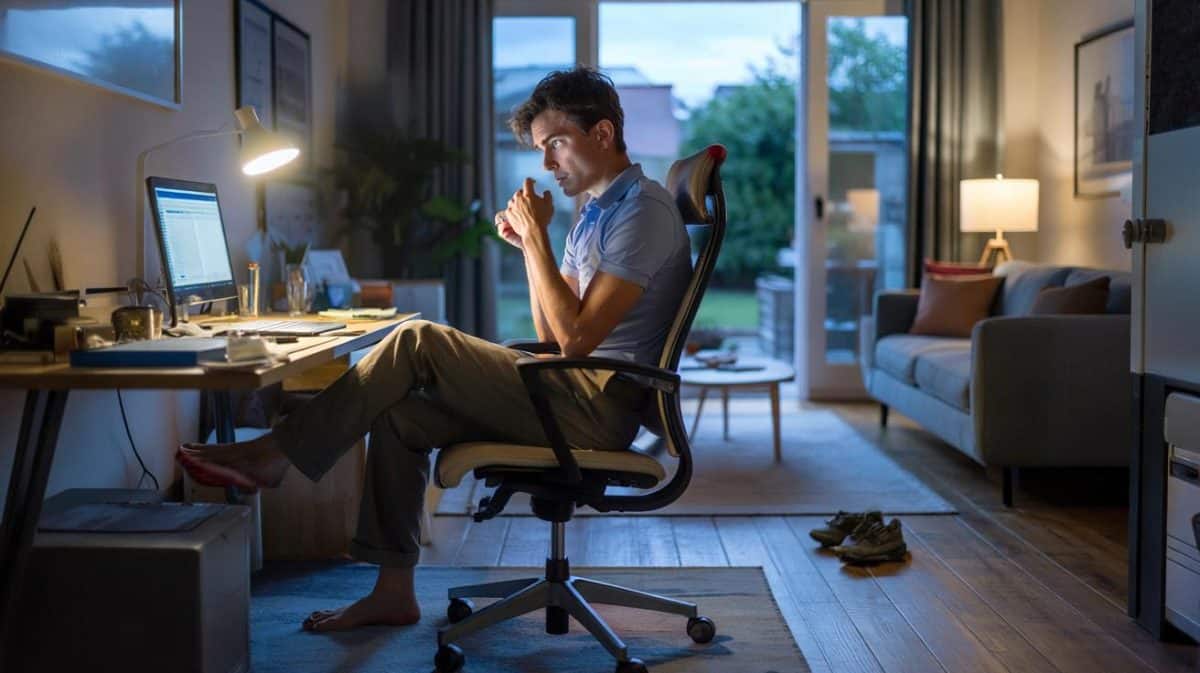
Picture this: you sit at your desk at 9 a.m. Then suddenly it’s 1:37 p.m. and you haven’t stood up once. Your right hand is curled permanently around the mouse. Your neck is tilted forward at the same angle a phone addict uses. Your breathing is so shallow that if someone watched you, they’d wonder how you’re still functioning.
A 2023 survey on office workers found that many people spend more than 10 hours a day sitting, and a huge majority report chronic muscle tension. Not dramatic, hospital-level pain. Just that constant “tight” feeling that never truly leaves.
Your body doesn’t really distinguish between a looming deadline and a real physical threat. The same ancient survival system kicks in. Muscles tighten, heartbeat rises, digestion slows, breathing moves up into the chest. When this cycle repeats every single day, your body forgets where “relaxed” even is.
The tricky part: these habits feel so small, so ordinary, that they pass under the radar. *Tension stops feeling like a signal and starts feeling like your personality.* You say “I’m just a naturally anxious person,” when in reality, your daily micro-behaviors are pressing down on the same stress button on loop.
➡️ The cleaning habit that makes guests think your home is always tidy
➡️ “I couldn’t understand why my sink smelled until I cleaned this hidden part”
➡️ “I work as a delivery planner, and this role pays much better than people imagine”
➡️ People who feel pressure to stay emotionally available often skip emotional recovery
➡️ Why saving money feels easier once goals are clearly defined
➡️ This is why doing “one more thing” often backfires
➡️ This simple savory bake delivers deep flavor with minimal effort
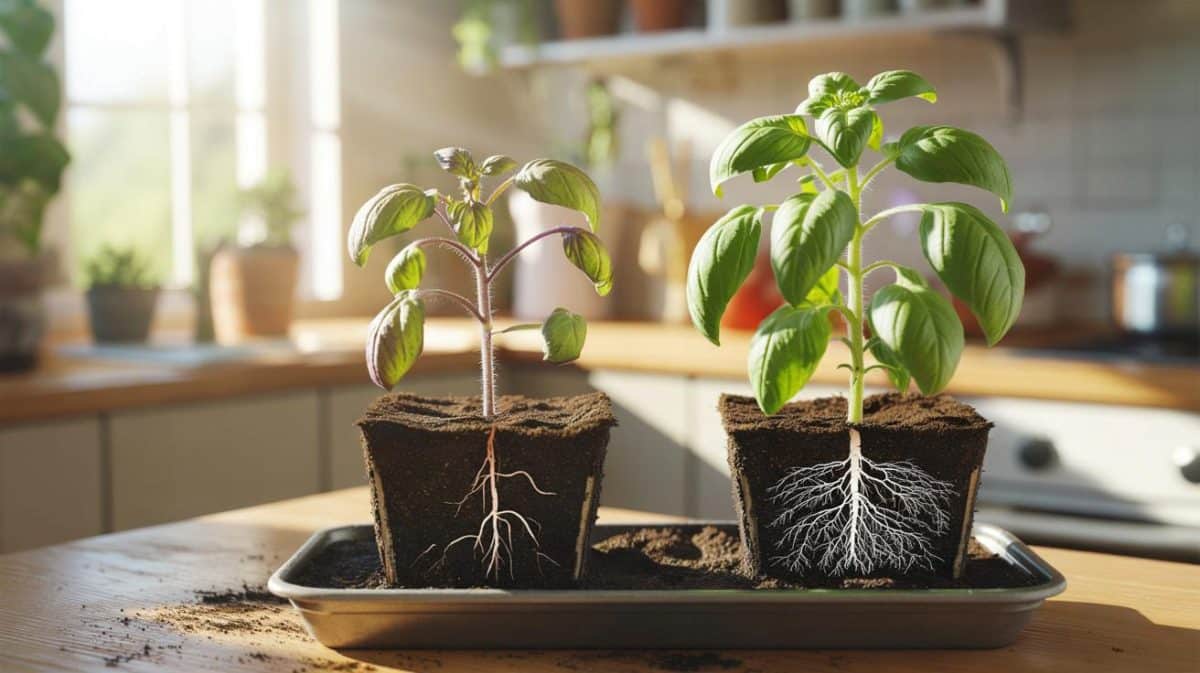
➡️ This planting depth mistake silently limits root expansion in most home gardens
Micro-adjustments that tell your body it’s safe again
One of the simplest, most underrated gestures: dropping your shoulders on purpose. Not once, not twice, but every time you remember. Let them fall down and slightly back, like you’re allowing invisible straps to loosen. Then unclench your jaw by gently opening your mouth and letting your tongue rest on the floor of your mouth.
Do this while stopped at a red light, in a meeting, waiting for an app to load. Ten seconds, three deep belly breaths, shoulders down. You’re not changing your life. You’re giving your nervous system a tiny proof that the tiger isn’t actually in the room.
A lot of people try to “fix” their tension with one intense workout a week, then spend the remaining six days glued to a chair. The body gets a confusing message: all or nothing, sprint or freeze. Gentler, more frequent movement works better. Stand up every hour, even if it’s just to walk to the sink and drink water. Stretch your wrists before opening social media. Look out the window for 20 seconds to rest your eyes from the screen.
Let’s be honest: nobody really does this every single day. But doing it some days is already a quiet revolution.
Our nervous system is constantly asking one simple question: “Am I safe right now?” Your daily gestures are the answer you give it, over and over.
- Build tiny pauses — 30-second breaks between tasks where you breathe deeply and scan your body for tension.
- Change your phone posture — lift the screen closer to eye level so your neck isn’t folding forward like a closing book.
- Soften your face — relax the skin around your eyes and forehead when you catch your reflection.
- Use “anchor moments” — each time you wash your hands, consciously relax your shoulders and exhale slowly.
- Create a pre-sleep ritual — 5 minutes of stretching or slow breathing instead of scrolling until your eyes burn.
Living with less tension without changing your entire life
You don’t need to move to a cabin in the woods or quit your job to step out of tension mode. You need to notice the small, repeatable behaviors that keep pressing the internal alarm, then gently rewrite them. Not perfect. Not Instagram-level wellness. Just small, stubborn acts of kindness toward your own body.
You might start to realize that your body has been trying to talk to you for years. Through migraines, through back pain, through that knot between your shoulders that no massage ever really erases. As you adjust tiny daily rituals, you may feel a new kind of fatigue at first, almost like your system is deflating. That’s not weakness. That’s what it feels like when armor starts to soften.
We’ve all been there, that moment when you suddenly understand that your tension wasn’t “just the way you are”, but the result of hundreds of small habits that can be changed, one conscious breath at a time.
| Key point | Detail | Value for the reader |
|---|---|---|
| Everyday habits fuel chronic tension | Micro-gestures like jaw clenching, shallow breathing, and nonstop sitting keep the nervous system on alert all day | Helps identify hidden sources of stress that feel “normal” but quietly drain energy |
| Small physical resets calm the body | Simple actions such as dropping the shoulders, relaxing the tongue, and standing up regularly send “safety” signals | Offers easy tools anyone can use without changing their entire routine |
| Consistency beats intensity | Frequent, gentle movements and short pauses work better than rare, intense efforts to relax | Encourages sustainable habits rather than all-or-nothing fixes |
FAQ:
- How do I know if my body is in constant tension mode?You might notice tight shoulders, jaw pain, headaches, clenched fists, shallow breathing, or restlessness even when nothing “bad” is happening. If relaxation feels unfamiliar or uncomfortable, that’s a strong sign.
- Can daily stress really cause physical pain?Yes. Long-term muscle tension can trigger back pain, neck pain, migraines, digestive issues, and even sleep problems. The body stores what the mind doesn’t fully process.
- How long does it take to feel a difference once I change my habits?Some people feel a slight shift after just a few days of conscious pauses and deep breathing. For deeper patterns, it can take weeks or months, but those small daily resets gradually become your new baseline.
- Do I need a full workout routine to reduce tension?No. Light, frequent movement—short walks, stretching, changing posture—can already calm your nervous system. If you like intense workouts, great, but they’re not the only path.
- What’s one simple thing I can start today?Pick one anchor moment: every time you check your phone, pause, drop your shoulders, unclench your jaw, and take one slow breath out. One tiny ritual, repeated many times, can quietly change the whole tone of your day.